Smart rings have become one of the standout wearable trends of 2025. They’re sleek, lightweight, discreet, and packed with intelligent health-tracking capabilities that once required bulkier devices. But while interest has exploded, most buyers still don’t fully understand how smart rings work, what they excel at, and where they fall short. In this guide, we cover everything you need to know before buying a smart ring in 2025 — accuracy, features, materials, comfort, privacy, costs, and the limitations most reviewers don’t talk about. Use this as your go-to reference before investing in one.
What a Smart Ring Actually Does and Doesn’t Do
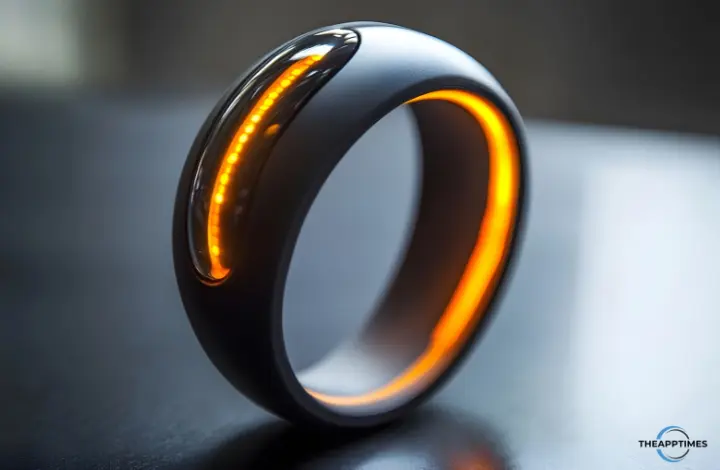
Smart rings specialise in continuous, low-power biometric tracking. Most models measure:
- Heart rate
- HRV (heart rate variability)
- Skin temperature trends
- Sleep stages and sleep score
- Blood oxygen levels
- Stress indicators
- Readiness/recovery score
- Activity and steps
But here’s what many buyers don’t realise:
Smart rings are NOT mini smartwatches
They do not deliver full notifications, apps, text replies, GPS, or media controls.
Their strength is passive, long-term wellness tracking, not active daily multitasking.
Smart rings CAN outperform smartwatches in specific metrics
Thanks to finger-based sensors (better blood flow, smaller gap between skin and vessel), smart rings often offer more reliable HRV, temperature, and sleep data.
But they are not ideal for workouts
High-intensity activity, gripping gym equipment, or sweating can interrupt readings.
Understanding this difference helps buyers align expectations with reality.
What Smart Rings Measure Well (and Poorly)
Smart rings excel at certain types of tracking and struggle with others.
What They Measure Very Well
- HRV (heart rate variability): one of the most accurate readings on a ring
- Resting heart rate
- Temperature trends
- Sleep quality over time
- Recovery/readiness indicators
- Stress patterns
- Daily activity trends
These metrics rely on consistent nighttime data — a ring’s perfect environment.
What They Do Not Measure Well
- High-intensity heart rate spikes (HIIT, sprinting)
- Strength training (gripping dumbbells disrupts sensor skin contact)
- Instantaneous or moment-to-moment HR readings
- Sudden motion changes
If someone wants very accurate workout heart rate, they still need:
- A smartwatch
- A chest strap
- An arm-band optical sensor
Smart rings are optimised for wellness, not high-performance fitness measurement.
Sleep Tracking: Rings Shine Here — But Have Limits
Smart-ring sleep tracking is one of their biggest selling points. Most models predict:
- Sleep stages
- REM/deep/light time
- Sleep efficiency
- Restfulness
- Breathing patterns
- Overnight temperature shifts
But shoppers should know:
- Sleep stages are estimates, not medical-grade results
- No consumer wearable can diagnose sleep disorders
- Rings are best for patterns over time, not nightly precision
A ring that says you got 19 minutes of deep sleep one night is not “wrong” — it’s simply interpreting signals through algorithms. Buyers should pay attention to trends, not single-night readings.
Sizing & Comfort: The Most Underrated Buying Factor
A smart ring is something you wear 24/7, so comfort matters more than specs. Most buyers are surprised by:
1. Finger Swelling
Your finger size changes:
- in the morning
- after salt-heavy meals
- during workouts
- in hot weather
- during cold weather (shrinks)
A ring must fit snugly but allow these fluctuations.
2. Dominant vs Non-Dominant Hand
Sensors read differently depending on blood flow.
Some people get better results wearing the ring on their non-dominant hand.
3. Daily Activities That Can Be Uncomfortable
- Weightlifting
- Rowing
- Cycling
- Push-ups
- Carrying heavy bags
- Long typing sessions
Hard materials like titanium or ceramic can press against adjacent fingers.
4. Sizing Kits Are Essential
Avoid brands that don’t offer a fit kit. Rings cannot be resized like jewellery.
If sizing is wrong, you must exchange the whole device.
Materials Matter: Titanium vs Ceramic vs Stainless Steel
Smart rings come in different materials. Here’s how they compare:
Titanium
- Lightweight
- Very durable
- Hypoallergenic
- Premium feel
- Most popular choice
Ceramic
- Beautiful finish
- Great scratch resistance
- Can crack on impact
- Doesn’t bend — failure is sudden
Stainless Steel
- Cheapest material
- More prone to scratching
- Heavier than titanium
- Can cause skin irritation for some
Carbon Fiber (rare)
- Extremely light
- Very durable
- Usually more expensive
- Limited models available
Most buyers prefer titanium for comfort and durability.
Battery Life & Charging: A Big Ring Advantage
Battery life varies widely:
- Budget rings: 3–5 days
- Mainstream rings: 5–7 days
- High-end rings: 7–10 days
Smart rings win over smartwatches here because they:
- have no screens
- use low-power sensors
- track mostly at night
Charging style also matters
- Dock-based chargers
- Charging cases
- Cable-based pucks
A portable charging case is extremely useful for travelers.
Subscription vs Non-Subscription Costs
Many buyers forget to factor in ongoing monthly fees.
Here’s how total cost differs:
Premium Ring + Subscription
Example: $300 + $6/month
Yearly cost = $372
Two-year cost = $444
Premium Ring + No Subscription
Example: $280 one-time
Two-year cost = $280
Budget Ring with No Subscription
Example: $80
Total = $80
This breakdown helps buyers decide whether software features justify monthly fees.
Data Privacy: A Critical Consideration
Smart rings collect sensitive biometric data.
Buyers should check:
Where is data stored?
- Local device
- Cloud
- Hybrid
Can you download/export data?
Advanced users often want raw metrics.
What is shared with third parties?
Check:
- AI training disclosures
- Advertising policies
- Optional vs mandatory data sharing
How long is data kept?
Some brands store health data indefinitely unless deleted manually.
Transparency here builds great buyer trust.
Durability & Long-Term Issues Buyers Should Know
Smart rings cannot be opened or repaired.
Important factors:
1. Battery Degradation
All lithium-ion batteries decline over time.
Expect 15–25% capacity drop after 1–2 years.
2. Warranty Terms
Check whether the brand covers:
- cracks
- dead sensors
- charging issues
- faulty batteries
3. Replacement Policies
Some companies offer:
- discounted replacement for lost/damaged rings
- single-size exchanges
- accidental damage coverage
4. Water Resistance
Ranges from IP68 to 10ATM, depending on the model.
Most rings are fine for:
- showers
- handwashing
- sweat
But check swimming depth limits.
Who SHOULD Buy a Smart Ring (And Who Should Not)
Smart rings ARE perfect for:
- Sleep-focused users
- Wellness enthusiasts
- People who dislike wearing watches
- Frequent travelers
- Minimalists who want passive data
- People looking for long-term trends, not daily notifications
Smart rings are NOT ideal for:
- High-intensity fitness athletes
- Users who want full smartwatch features
- People needing medical-grade metrics
- Those who frequently lose or remove jewellery
- Buyers expecting real-time notifications or apps
If someone wants “a smartwatch on a finger,” they will be disappointed.
The Smart Ring Decision Guide (Quick Selector)
- Best sleep tracking: Oura
- Best for Samsung phone users: Samsung Galaxy Ring
- Best value: RingConn
- Best metabolic & recovery insights: Ultrahuman (region-permitting)
- Best entry-level budget choice: boAt
- Best legacy/simple option: Motiv
Checklist Before You Buy a Smart Ring
- Did you use a sizing kit?
- Does the brand offer a return/exchange window?
- Are you okay with a subscription?
- Does the app have recent updates?
- Is the data exportable?
- Is the material safe for your skin type?
- What’s the battery life and charging method?
- Does the ring support your phone OS?
- What’s the warranty and replacement policy?
- Have you checked real user reviews?
Final Thoughts
Smart rings are one of the most exciting wearables of 2025, offering powerful health insights in a minimalist form factor. But they’re not perfect, and buyer expectations must be realistic.
This guide gives you shoppers the full picture — strengths, weaknesses, costs, comfort factors, data privacy, and real-world accuracy — so that you can confidently choose a smart ring that truly fits your lifestyle.

Leave a Reply