Most AI language apps focus on vocabulary, grammar rules, and streaks. Very few focus on what learners actually fear — speaking out loud. That’s exactly the problem VORLI is trying to solve.
Now live on Kickstarter, VORLI introduces a speaking-first approach to language learning, combining short speaking missions, structured progression, and real-world vocabulary practice powered by AI. For learners who understand a language but hesitate to speak, it’s a refreshing shift worth paying attention to.
Why Most AI Language Apps Don’t Build Speaking Confidence
The global demand for AI language learning apps is growing fast. But the learning experience often looks the same: tap-based exercises, translation drills, grammar explanations, passive listening. Learners gain knowledge, but not confidence.
When faced with a real conversation — at work, while traveling, or in daily life — many freeze. The reason is simple: they were trained to recognize answers, not to produce speech. VORLI is designed specifically to fix this gap.
Speaking-First Learning with 90-Second Missions
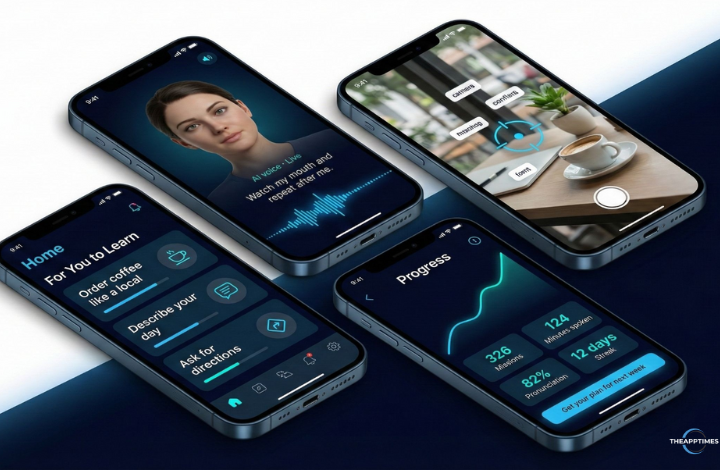
Unlike traditional AI language apps, VORLI puts speaking at the center of learning. From the first session, users complete 90-second speaking missions built around short, focused prompts and real-life scenarios. No long lectures. No multiple-choice safety net.
The limited time removes the pressure to overthink while still encouraging you to actually open your mouth. You speak, respond, and move on — just like real conversations. This approach aims to build fluency through action, not memorization.
Structured Progression
One common complaint about AI language apps is the lack of a clear learning path. Users end up practicing randomly without any real sense of whether they’re improving.
VORLI addresses this by building its content around structured progression levels, moving learners from beginner to advanced in a logical sequence. The idea is that you always know where you stand and what comes next — without it feeling like a classroom.
Note: VORLI claims its progression aligns with CEFR levels (A1 to C1). This hasn’t been independently verified yet, but it’s worth watching as the app develops post-Kickstarter.
Point & Learn: Using AI to Connect Language with Reality
One of the more interesting features in VORLI is Point & Learn. Using the phone’s camera, learners can point at real-world objects, instantly learn related vocabulary, and then practice speaking using contextual prompts tied to what they’re actually looking at.
It’s a smart idea. Instead of memorizing isolated words from a list, you’re connecting language to things you see every day. That kind of contextual learning tends to stick better than rote repetition.
The Philosophy Behind It
VORLI’s core idea is straightforward: you don’t need perfect grammar to communicate. The app encourages learners to speak even when unsure, express ideas without fear, and improve naturally through repetition. That mirrors how people actually pick up languages in real life — by using them, badly at first, and better over time.
For students, professionals, travelers, and self-learners, this confidence-first approach is often what’s missing from existing AI language apps.
Should You Back It on Kickstarter?
VORLI is still in its early stages — it’s currently crowdfunding, not a finished product. Early backers get access before general release, often at discounted or lifetime pricing, and a chance to influence how the app develops.
If you’re frustrated with language apps that leave you able to pass a quiz but unable to hold a conversation, VORLI’s approach is worth keeping an eye on. Whether it delivers on its promises will depend on how well the final product holds up — but the idea behind it is solid.
Have you tried any speaking-first language apps? Let us know what worked — and what didn’t — in the comments below

Leave a Reply