The wearable fitness market is increasingly splitting between screen-heavy smartwatches and a new generation of screenless trackers. On one side are smartwatches packed with screens, apps, and notifications. On the other is a growing crop of “screenless” trackers — bands and rings that skip the display entirely and let an app do the talking. The Luna Band is the newest entrant in that second camp, and it’s arrived with a twist: instead of just handing you a dashboard of numbers, it aims to turn those numbers into personalized guidance throughout your day.
Announced at CES 2026 and now shipping globally as of September 2026 following a waitlist that reportedly drew more than 100,000 sign-ups, the Luna Band positions itself as a direct rival to WHOOP and the newly launched Fitbit Air. In this article, we take a look at some of the standout features of the Luna Band.
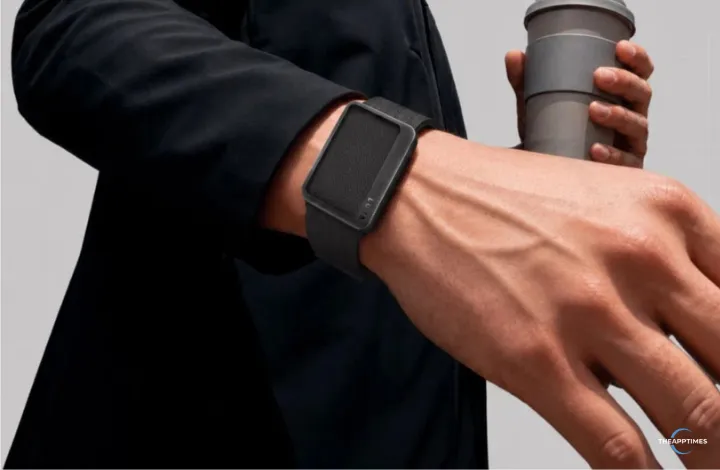
Features of the Luna Band
At just 24 grams, the Luna Band is built to disappear on your body. It can be worn on the wrist or upper arm, and like its screenless competitors, it skips a display entirely in favor of a simple vibration motor for alerts, prompts, and nudges. The company rates it for 5 ATM water resistance, and it’s available in multiple color options.
The hardware leans on a sensor array paired with a 6-axis inertial measurement unit to monitor a range of health, activity and wellness metrics, including:
– Heart rate and heart rate variability (HRV)
– Blood oxygen (SpO2) and respiratory rate
– Skin temperature
– Sleep quality and stages
– Daily activity, steps, and body movement
For workouts, it supports more than 60 sports modes with automatic detection for some activities, along with VO2 max estimates, training load, and heart-rate zones. There’s no built-in GPS, so it leans on a paired phone for route tracking during outdoor workouts.
The standout feature, though, is LifeOS — Luna’s AI-powered health intelligence platform. It processes the data collected by the Band and turns it into personalized guidance, rather than simply presenting users with a dashboard of numbers. The Band can deliver haptic nudges, while voice interaction is handled through the connected phone and app ecosystem.
Instead of simply asking users to interpret a recovery score themselves, LifeOS is designed to turn those signals into actionable guidance — such as whether the day calls for harder training, recovery, or a change in routine.
It also includes Micro Apps and personalized tools covering areas such as caffeine timing, hydration, jet lag, fitness age and circadian rhythm, with cycle-related features also part of the LifeOS ecosystem.
Battery Life & Charging
Luna claims up to 10 days of battery life on a full charge, with roughly an hour needed to charge back up. That puts it in line with — or ahead of — many competitors in this category, though real-world battery performance with all sensors and Micro Apps active still needs independent verification.
App Experience
The Band’s companion app is where LifeOS lives, building a daily plan from the incoming sensor data. According to Luna, setting a personal goal can change what the Band measures, how frequently it takes readings, and what guidance shows up in your daily calendar. It’s an ambitious pitch — personalization that adapts the hardware’s behavior, not just the software’s. The concept is ambitious, although independent testing of how well this adaptive approach works in everyday use is still limited.
Price & Value
The Luna Band costs $149 (or €149 in supported markets) with no subscription fees — a meaningful differentiator from WHOOP, which requires an ongoing membership. That price point places it:
– Above the $99.99 Fitbit Air
– Below the $199.99 Garmin CIRQA Smart Band
– Unlike WHOOP, Luna does not require a recurring membership fee
For a device that promises heart rate, HRV, sleep, and recovery tracking without a recurring fee, that’s a genuinely competitive position in the current screenless tracker market.
How It Compares
Early hands-on impressions from CES 2026 were generally positive, with reviewers highlighting the Band’s lightweight and discreet design. More importantly, the device is now shipping to customers, so real-world testing of its heart-rate, sleep and workout performance is beginning to emerge. However, broad independent validation remains limited, and it is still too early to draw firm conclusions about measurement accuracy.
Who It’s Best For
The Luna Band seems aimed at:
– People who want WHOOP-style recovery and readiness coaching without a subscription
– Anyone who finds screens and notifications distracting and prefers a “wear it and forget it” approach
– Fitness enthusiasts curious about AI-driven, personalized coaching rather than manually parsing charts
It may be less appealing to serious athletes who want a standalone GPS device, since the Band relies on a paired phone for outdoor route tracking.
Final Thoughts
The Luna Band enters a crowded screenless tracker field with a genuinely different pitch: less “read your data” and more “let the data talk to you.” A $149 price with no subscription, a claimed 10-day battery, and broad sensor coverage make it a compelling option on paper. The real test — as with any wearable — is accuracy and reliability over weeks of actual use. Independent testing of the shipping version is now beginning, although there still isn’t enough evidence to make strong claims about its accuracy. If you’re tracker-shopping right now, it’s worth keeping an eye on those early full reviews before deciding between the Luna Band, Fitbit Air, and WHOOP 5.0.
*Note: The Luna Band launched and began shipping in 2026; pricing, specs, and features may be updated by the manufacturer over time. Check Luna’s official site for the latest details before purchasing.

Leave a Reply